
Canopy Beds from Foshan: A Buying Guide to Room Fit, Frames, and Assembly
A practical canopy bed buying guide for buyers sourcing from Foshan: measuring room size and ceiling height, judging frame construction and stability, choosing materials and finishes, and confirming delivery and assembly before paying.
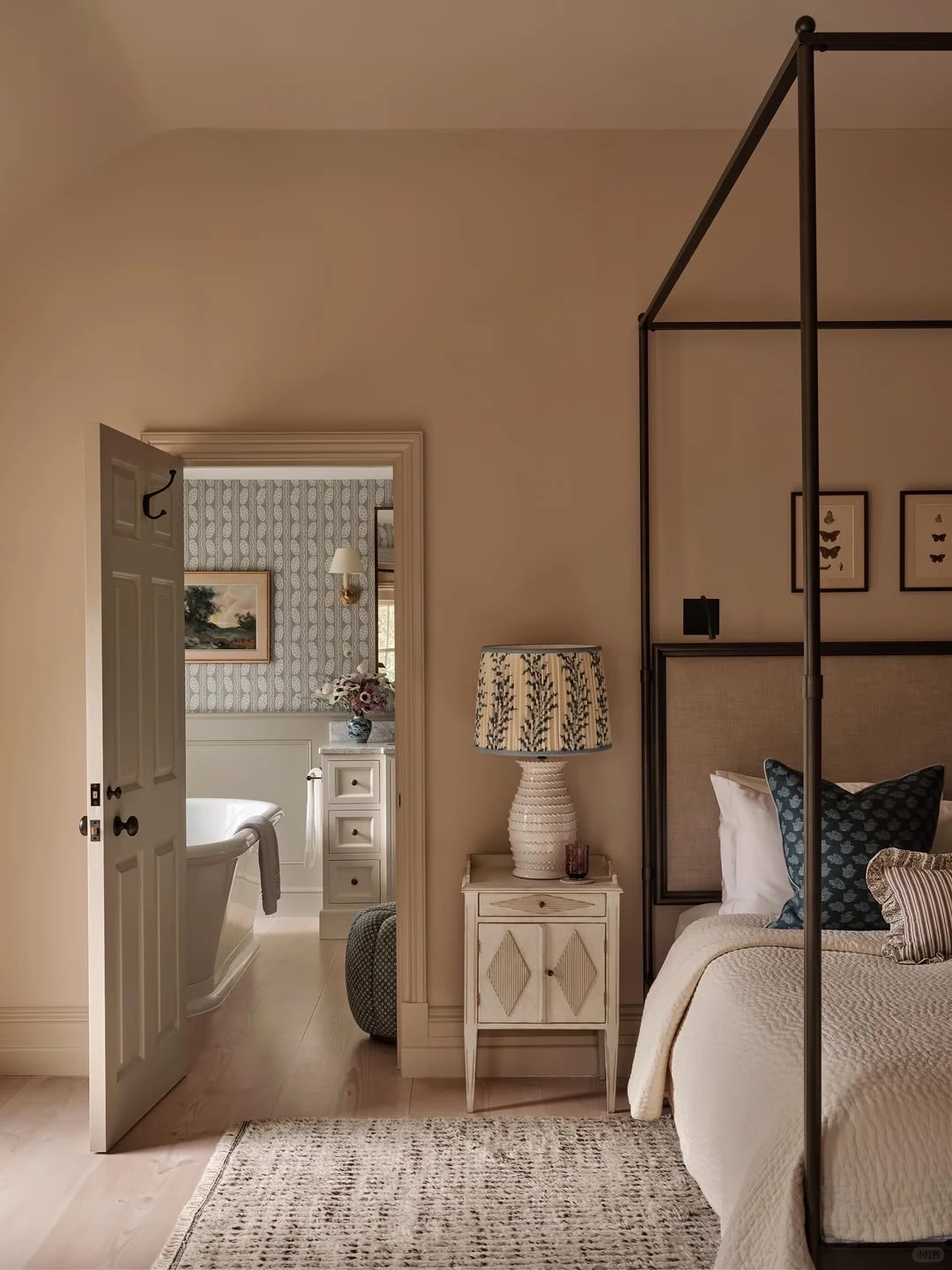
A canopy bed from Foshan works when you measure first, inspect the frame second, and confirm logistics third. Check the bed's footprint plus walking clearance, and post height against your ceiling and light fittings. Judge the frame on post-to-rail joinery, corner bracing and a physical wobble check, not photographs. Then confirm packaging, shipping terms and assembly steps in writing before paying. This canopy bed buying guide is a planning framework, not a supplier ranking.
A canopy bed is a large, tall, lever-like object, and most disappointment around one traces back to decisions made before the order rather than defects found after it. So this guide is organised around what to measure, inspect and confirm.
One caveat belongs up front. Detailed first-hand buyer accounts of Foshan canopy beds are thin in the material reviewed for this article. The most specific description available came from a seller's own promotional post about its photographed models. That is useful as an illustration of a configuration worth specifying. It is not independent evidence about how canopy beds from Foshan are generally built, and nothing below should be read as a body of owner testimony.
Canopy Beds from Foshan: What Buyers Actually Need to Check
Four things decide whether the purchase works.
- Room and ceiling fit. Floor footprint plus walking clearance on at least the two long sides, post height against ceiling height, and the physical path from the front door to the bedroom.
- Frame construction and stability. How the posts, rails and slats connect, how the corners are braced, and what the bed does when you push the top of a post.
- Materials and finish. What is actually solid, what is engineered, how the finish is applied, and what the upholstery is made of.
- Delivery and assembly plan. Carton count and longest carton, shipping terms, hardware labelling, how many people are needed, and who is responsible if something arrives damaged.
Foshan is a manufacturing and wholesale cluster rather than a single seller, which means the range on offer is broad and the differentiation sits in details photographs do not capture. For background on how the market is organised, the Foshan furniture market buyers guide covers the geography and the showroom-to-factory relationship. What matters for a four-poster specifically is narrower: dozens of canopy beds will look similar on a phone screen, and almost none of the differences that matter will be visible there.
Room Size and Ceiling Height: Measure Before You Fall for a Frame
Take three measurements before you look at a single photograph.
Footprint. A canopy bed's posts stand outside the mattress, so the floor area it consumes is larger than the mattress size — typically by the width of the side rails plus the post section on each side. [TODO: needs confirmation — overall footprint and post section dimensions from a supplier spec sheet] Add walking clearance on the two long sides; as a working rule of thumb, around 600 mm is comfortable where the room allows it, and below about 450 mm circulation starts to feel tight enough that the bed becomes an obstacle rather than a piece of furniture. Then add door swing, wardrobe door swing and drawer extension.
Height. The number that matters is post height plus any finial, not mattress height. Compare it with the ceiling, then subtract for a ceiling fan, pendant light or air-conditioning unit, and remember that a canopy top rail implies fabric or a slatted canopy hanging into that space. [TODO: needs confirmation — post height, finial height and canopy frame dimensions] A tall post in a room with generous floor area but a low ceiling reads as oppressive even when every measurement on the plan fits.
The path in. Measure the narrowest point between the front door and the bedroom: door clearances, corridor turns, stair width and headroom, and lift door and cabin dimensions. The item that fails here is usually the post in its long carton, not the rails and headboard.
Canopy bed room size is therefore two questions, not one: does the footprint fit, and does the height sit comfortably in the volume? Symmetry matters more for a four-poster than for a low bed, so plan for space on both sides even if one is only circulation.
Frame Construction and Stability: Where the Money Actually Goes
A four-poster is a different structural problem from a platform bed. The posts are tall levers, so a knock near the top of the post produces far more stress at the post-to-rail joint than the same knock at mattress height. That is why the joint, the bracing and the centre support deserve more attention than the finish.
What to inspect, in order:
- Post-to-rail connection. Bed bolts with barrel nuts, metal bed brackets or a mortise-and-tenon joint are the usual approaches, sometimes in combination. Ask which one is used, whether the connection is mechanically tightened or glued and pinned only, and whether it can be re-tightened after years of use.
- Corner bracing. Look for blocks, brackets or angled braces at each corner. Bracing is the difference between a frame that resists racking and one that slowly loosens.
- Side rails and centre support. Thick side rails, a centre rail, and a centre leg or centre slat support under the middle of the mattress area.
- Slat spacing and thickness. Ask for the slat section and the gap between slats, and confirm whether a centre support runs beneath them.
- The physical check. On an assembled sample, hold the top of a post and push gently along both axes. You are listening for movement at the joint — which can be tightened — rather than a springy sway through the whole frame, which usually means the connection or the bracing is inadequate.
If you cannot inspect in person, ask for a short video of the specific joint being handled, and another of someone pushing an assembled bed. For a fuller protocol, see how to inspect furniture before shipping.
The one description available for this article — a seller's post about its own photographs — stated that the pictured models used solid-wood frames with upholstered headboards. That tells you a configuration exists. It says nothing about joinery, slat spacing or bracing, none of which was stated, so treat it as an example of what to ask about rather than as a specification.
Materials and Finishes: Solid Wood, Upholstery, and Light Versus Dark Tones
"Solid wood" is a term that needs unpacking before it means anything. Ask which components are solid, which are engineered boards or veneered panels, the species, the grade, and the moisture content the supplier works to. [TODO: needs confirmation — wood species, solid-versus-engineered split, grade and moisture content] The same question applies to the canopy top frame and the posts, which are sometimes specified differently from the rails.
Finish is the next layer. Ask whether the finish is a stain under lacquer, an oil or a wax, and what sheen level it carries; a matte finish hides handling marks, a high sheen shows them. Request a physical swatch or colour-calibrated photographs under neutral light rather than judging from styled interiors.
On an upholstered headboard, confirm the fabric composition and cleanability, whether covers are removable, and the foam or padding specification. [TODO: needs confirmation — fabric composition, cleaning code and foam specification]
Colour is where design opinion enters. One design-focused seller account, writing about its own styled photographs, advised matching the bed to the room's dominant colours, and described light wood tones as reading brighter and more open and dark tones as heavier and calmer. That is a judgement tied to a particular room, its daylight, wall colour and floor tone. It is not a measurable property of a finish. It is still a reasonable starting point if you treat it as a consideration: check a swatch in the actual room, in daylight and again in the evening under the room's own lamps.
Delivery and Assembly: What to Confirm, and What the Sources Do Not Show
Stated plainly: the material reviewed here contained no owner-reported delivery or assembly experience for canopy beds from Foshan. What follows is a confirmation checklist, not reported experience, and every supplier-specific figure is left open until it is confirmed in writing.
- Packaging. Number of cartons, the longest carton length, total volume and weight, whether the shipment is palletised, and how the posts are protected at the ends.
- Shipping terms. Who books freight, who handles unloading at destination, which Incoterm applies, and what the agreed remedy is for transit damage.
- Assembly. Whether the bed ships flat-packed, which parts arrive pre-assembled, how hardware is labelled and bagged, what tools are needed, how many people are required, and how long it takes. [TODO: needs confirmation — assembly steps, hardware list, tool requirements and expected assembly time]
- Inclusions. Whether the canopy top frame, drape rails or slats are included or optional extras.
- On arrival. Inspect before signing where possible, photograph cartons and any damage, and confirm the claim window in writing before the shipment leaves.
If you are consolidating, how many pieces fit in a 40HQ is worth reading, because long posts consume container length rather than weight and change how a mixed load is planned.
Common Buyer Concerns: From "How Do I Order?" to "Will It Wobble?"
The visible comment behaviour around the reviewed post is telling in a small way. The one genuine buyer question beneath it asked, plainly, how to place an order for the bed. The reply was a two-character "message me" nudge, with no price, process, sample or deposit detail. That is common in social selling, and it is exactly why the ordering conversation should be moved somewhere it can be documented.
The recurring concerns themselves are predictable:
- Will it wobble in use? This is decided by the joint and the bracing, not by the finish, and it is answerable before purchase only by inspection or video.
- Will it fit the ceiling? Decided by post height plus finial against ceiling height, discounting fans and pendants.
- Will the upholstery hold up? Decided by fabric composition, cleaning code and whether covers can be removed.
- How does ordering actually work? Decided by asking directly: sampling, deposit terms, production timeline, inspection and payment stages. [TODO: needs confirmation — ordering, deposit, sampling and production workflow]
- What happens after delivery? Ask whether replacement hardware or a single replacement post can be supplied later. [TODO: needs confirmation — spare parts availability and after-sales terms]
A Pre-Purchase Checklist for Canopy Beds from Foshan
Take this to the supplier conversation.
Measure: overall footprint including posts; walking clearance on both long sides; post height plus finial against ceiling height, minus fans and pendants; door, corridor, stair and lift dimensions along the delivery path.
Ask about the frame: post-to-rail connection type and whether it can be re-tightened; corner bracing; side rail and centre rail dimensions; centre support; slat section and spacing; a video of an assembled bed being pushed at post height.
Ask about materials: species and grade; which parts are solid and which engineered; finish system and sheen; a physical swatch; fabric composition, cleaning code and cover removability on upholstered parts.
Ask about logistics: carton count and longest carton; total volume and weight; shipping terms and damage remedy; flat-pack or pre-assembled; hardware labelling; number of people and time required for assembly; spare parts availability.
Put it in writing: a specification sheet, a packing list and the agreed remedy for damage or shortage, all confirmed before payment.